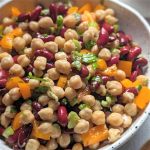






Today we are going to talk about one of my favorite topics ever- FIBER!
I love discussing fiber not only because I love the way it makes me feel and I know how much it is helping my health— but also because I believed lies about fiber for years.
When I was younger, I was terrified to eat anything that would “make me fat” (yes, I had a very unhealthy outlook on food in my teen-young adult years), I thought fiber was just another word for carbs which was another word for “weight gain”.
So so wrong.
Dietary fiber is incredibly healthy for your diet. It offers a wide range of benefits— particularly for colon health and reducing your risk of colon cancer. Here’s a breakdown of why:
General Health Benefits of Fiber:
Promotes Regular Bowel Movements:
Fiber adds bulk to stool, making it softer and easier to pass. This helps prevent constipation and promotes regularity, which is crucial for overall digestive health. This fact is no surprise.
Maintains Gut Health:
Fiber acts as a PREBIOTIC, feeding the beneficial bacteria in your gut (your gut microbiome). A healthy gut microbiome is essential for digestion, nutrient absorption, and a strong immune system.
Helps Control Blood Sugar Levels:
Soluble fiber slows the absorption of sugar into the bloodstream, preventing rapid spikes and crashes in blood glucose. This is beneficial for managing and preventing type 2 diabetes.
Lowers Cholesterol:
Soluble fiber can bind to cholesterol in the digestive tract, preventing its absorption and helping to lower overall cholesterol levels, which supports cardiovascular health. Is your LDL creeping up there? Eat more fiber!
Aids in Weight Management:
Bingo. Fiber-rich foods tend to be more filling, helping you feel satisfied for longer and reducing overall calorie intake. This can contribute to maintaining a healthy weight, which is also a factor in cancer prevention.
Reduces Risk of Other Conditions:
A high-fiber diet is linked to a lower risk of diverticulosis (small pouches in the colon) and hemorrhoids. Us in the Western World, we have the highest numbers of diverticulosis from low-fiber diets and lack of exercise.
Fiber’s Role in Colon Cancer Reduction: Colon cancer is on the RISE in the US in younger people.
Fiber plays a significant role in reducing the risk of colon cancer through several mechanisms:
Speeds Up Transit Time:
Fiber increases stool bulk and helps waste move more quickly through the digestive tract. This reduces the time that potential carcinogens (cancer-causing substances) are in contact with the colon lining, minimizing their opportunity to cause damage.
Dilutes Carcinogens:
By increasing stool volume, fiber helps dilute any harmful chemicals present in the waste, further reducing their concentration and impact on colon cells.
Feeds Beneficial Gut Bacteria:
As mentioned, fiber nourishes the gut microbiome. When gut bacteria ferment fiber, they produce short-chain fatty acids (SCFAs) like butyrate. Butyrate is particularly beneficial for colon health as it nourishes colon cells, reduces inflammation, exerts anti-tumor effects, binds to carcinogens, and maintains a healthy weight.
Types of Fiber:
There are two main types of dietary fiber, and both contribute to overall health and cancer prevention:
Soluble Fiber:
Dissolves in water to form a gel-like substance. Found in oats, peas, beans, apples, citrus fruits, and carrots.
Insoluble Fiber:
Does not dissolve in water and adds bulk to stool. Found in whole grains, vegetables, and wheat bran.
To reap the full benefits, it’s important to consume a variety of fiber-rich foods. The American Institute for Cancer Research (AICR) recommends a daily fiber intake of 30 grams per day to reduce cancer risk.
In summary, increasing you daily fiber intake is a powerful strategy for promoting overall health, maintaining a healthy digestive system, and significantly reducing your risk of colon cancer.
To do this, start slow. Don’t increase from barely any fiber to 30g in one day or even week. Incorporate a little more fiber each day to avoid bloating. Eating more fermented foods such as Kefir, sauerkraut, Miso soup, and yogurt with live cultures will help your gut microbiome even further.
Here is a shopping list chart to help with adding more fiber into your daily routine!